WELCOME TO FANGDA ELECTRIC MACHINE CO..LTD



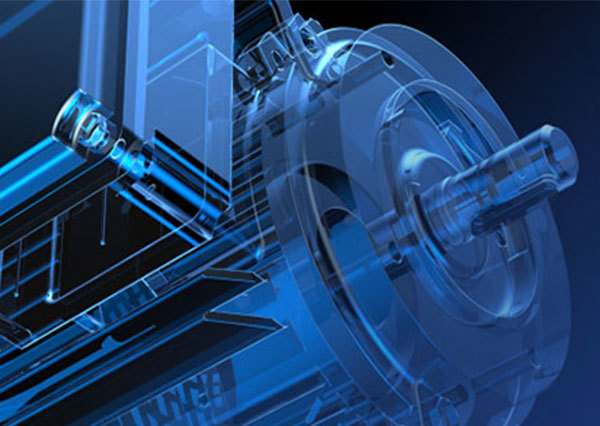
Understanding Induction Motors: A Key Component in Power Generation
May 26,2026
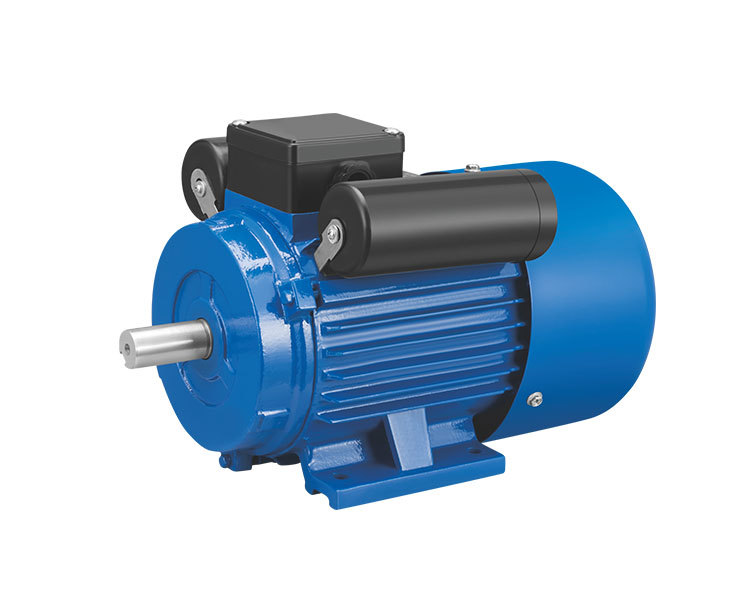
One of the significant advantages of induction motors is their simplicity and durability. Unlike other motor types, induction motors do not require brushes or commutators, which minimizes maintenance needs and enhances reliability. Additionally, they can operate efficiently over a wide range of speeds and loads, making them versatile for different applications. Their robust construction allows them to withstand harsh environmental conditions, which is particularly beneficial in power generation settings where reliability is paramount.
The efficiency of induction motors can be further optimized through the use of variable frequency drives (VFDs). These devices allow for precise control of the motor's speed and torque, leading to energy savings and improved operational efficiency. In power generation, where energy costs are critical, the implementation of VFDs in conjunction with induction motors can lead to significant operational advantages.
Induction motors are not only used in traditional power generation applications but are also increasingly being integrated into renewable energy systems. For instance, in wind turbines, induction motors can serve as generators, converting mechanical energy from wind into electrical energy. The adaptability of induction motors to various energy sources makes them essential in the transition towards more sustainable energy solutions.
Furthermore, understanding the different types of induction motors—such as squirrel cage and wound rotor motors—can aid professionals in selecting the appropriate motor for specific applications. Squirrel cage induction motors are typically preferred for their simplicity and robustness, while wound rotor motors can provide better performance in high-torque applications.
In conclusion, induction motors are indispensable in the electrical and power generation industries. Their operational efficiency, durability, and versatility make them a preferred choice for various applications, from industrial machinery to renewable energy systems. As the industry continues to evolve, understanding the principles and applications of induction motors will remain vital for professionals seeking to optimize performance and embrace innovations in power generation.
Contact
E-mail :
Tel/ WhatsApp:
Address:
Daxi Industrial District, Daxi Town, Wenling City, Zhejiang, China
Daxi Industrial District, Daxi Town, Wenling City, Zhejiang, China

COOKIES
Our website uses cookies and similar technologies to personalize the advertising shown to you and to help you get the best experience on our website. For more information, see our Privacy & Cookie Policy
COOKIES
Our website uses cookies and similar technologies to personalize the advertising shown to you and to help you get the best experience on our website. For more information, see our Privacy & Cookie Policy
These cookies are necessary for basic functions such as payment. Standard cookies cannot be turned off and do not store any of your information.
These cookies collect information, such as how many people are using our site or which pages are popular, to help us improve the customer experience. Turning these cookies off will mean we can't collect information to improve your experience.
These cookies enable the website to provide enhanced functionality and personalization. They may be set by us or by third-party providers whose services we have added to our pages. If you do not allow these cookies, some or all of these services may not function properly.
These cookies help us understand what you are interested in so that we can show you relevant advertising on other websites. Turning these cookies off will mean we are unable to show you any personalized advertising.