WELCOME TO FANGDA ELECTRIC MACHINE CO..LTD



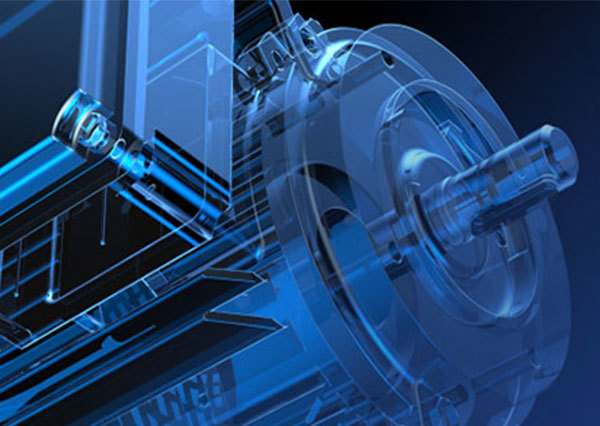
Top Benefits of Using Vibration Motors in Electric Machinery
May 23,2026

The Transformative Role of Vibration Motors in Electric Machinery
In the realm of electric machinery, vibration motors play a pivotal role, enhancing performance and operational efficiency. These motors are essential in numerous applications, from material handling to compacting and sorting operations. The integration of vibration technology can lead to substantial gains in productivity and reliability.
Understanding Vibration Motors: A Brief Overview
Vibration motors are devices that convert electrical energy into mechanical vibrations. They are integral to systems requiring vibration for processes such as sorting, compacting, and conveying materials. By generating controlled vibrations, these motors can significantly enhance the effectiveness of electric machinery.
Types of Vibration Motors
There are primarily two types of vibration motors used in electric machinery:
1. AC Vibration Motors
These motors operate on alternating current and are typically used in applications requiring continuous vibration. They are known for their durability and efficiency.
2. DC Vibration Motors
DC vibration motors are powered by direct current and are often smaller and more compact. They are ideal for portable machinery and applications requiring precise control over vibration intensity.
Key Benefits of Using Vibration Motors in Electric Machinery
Integrating vibration motors into your electric machinery can yield numerous benefits. Here are some of the most significant advantages:
1. Enhanced Material Handling Efficiency
Vibration motors improve the efficiency of material handling systems. By creating consistent vibrations, these motors facilitate the smooth flow of materials through chutes, conveyors, and hoppers. This results in reduced blockages and increased throughput, ultimately boosting productivity.
2. Improved Compacting Performance
In applications like concrete compaction, vibration motors enhance the effectiveness of the process. The vibrations help eliminate air pockets and ensure a denser, more unified final product. This leads to improved structural integrity and longevity, crucial in construction and manufacturing.
3. Increased Equipment Longevity
Using vibration motors can contribute to the longevity of machinery. By minimizing friction and wear on mechanical components, these motors reduce the risk of breakdowns and costly repairs. This can result in significant savings over time and a lower total cost of ownership.
4. High Customization Potential
Vibration motors offer high customization potential to meet specific operational needs. By adjusting the frequency and amplitude of vibrations, businesses can tailor their machinery to optimize performance for various tasks. This flexibility is vital in industries with diverse requirements.
5. Enhanced Safety Features
Incorporating vibration motors into electric machinery can also enhance safety. Vibration helps to dislodge materials that may otherwise become stuck, reducing the risk of jams and accidents. By maintaining a smooth operational flow, workers are less likely to encounter hazards associated with machinery malfunctions.
The Role of Vibration Motors Across Different Industries
Vibration motors are not limited to any single industry; their applications are widespread. Understanding how these motors fit into various sectors can highlight their importance in electric machinery.
1. Construction Industry
In construction, vibration motors are essential for mixing materials, compacting concrete, and ensuring uniformity in soil compaction. Their ability to provide consistent vibrations enhances material quality and project timelines.
2. Food and Beverage Industry
In the food and beverage sector, vibration motors aid in the efficient sorting and handling of ingredients. They ensure that materials flow smoothly through processing lines, vital for maintaining hygiene and productivity standards.
3. Automotive Industry
Vibration motors play a crucial role in automotive manufacturing by assisting in assembly line operations. They help with the efficient handling of components, contributing to overall production efficiency.
4. Mining Industry
In mining, vibration motors are used to facilitate the movement of materials from one location to another. Their robust design allows them to handle heavy loads and endure harsh environments, making them ideal for this sector.
5. Recycling Industry
Vibration motors significantly enhance sorting processes in recycling facilities. By providing consistent vibrations, they help separate materials based on weight and size, improving the efficiency of recycling operations.
Factors to Consider When Choosing Vibration Motors
When selecting vibration motors for electric machinery, several factors should be considered to ensure optimal performance:
1. Load Requirements
Understanding the load requirements of your application is crucial for selecting the right vibration motor. Ensure that the motor’s specifications match the demands of your machinery to avoid underperformance or damage.
2. Environmental Conditions
Consider the environmental conditions where the vibration motor will operate. Factors such as temperature, humidity, and exposure to chemicals can affect motor performance and durability.
3. Power Supply
Choosing between AC and DC vibration motors depends on your power supply capabilities. Ensure compatibility with existing electrical systems to maximize efficiency.
4. Maintenance Requirements
Different vibration motors have varying maintenance needs. Assess the maintenance requirements and choose a motor that fits your operational capabilities and downtime constraints.
Best Practices for Integrating Vibration Motors in Electric Machinery
To maximize the benefits of vibration motors, businesses should adhere to best practices during integration:
1. Proper Installation
Ensure that vibration motors are installed correctly to avoid operational issues. Follow manufacturer guidelines for mounting and alignment to maintain optimal performance.
2. Regular Maintenance
Implement a regular maintenance schedule to monitor the condition of vibration motors. This can help identify potential issues before they escalate, ensuring continuous operation.
3. Staff Training
Invest in training for staff to understand the operation and maintenance of vibration motors. A knowledgeable team can make informed decisions that enhance operational efficiency.
Frequently Asked Questions (FAQs)
1. What types of applications benefit from vibration motors?
Vibration motors are beneficial in various applications, including material handling, compacting, sorting, and conveying in industries such as construction, food processing, and recycling.
2. How do I choose the right vibration motor for my application?
Consider factors such as load requirements, environmental conditions, power supply type, and maintenance needs when selecting a vibration motor.
3. Are vibration motors energy-efficient?
Yes, when properly selected and maintained, vibration motors can be energy-efficient, contributing to lower operational costs.
4. Can vibration motors cause material degradation?
When used appropriately, vibration motors enhance material handling without causing degradation. However, excessive vibration can affect sensitive materials, so it's essential to calibrate the motor settings correctly.
5. How do vibration motors improve safety in machinery?
Vibration motors help to prevent material blockages, reducing the risk of jams and potential accidents associated with machinery malfunctions.
Conclusion
Integrating vibration motors into electric machinery offers a myriad of benefits, from enhanced efficiency and productivity to improved safety and equipment longevity. By understanding their applications across various industries and adhering to best practices, businesses can harness the full potential of vibration technology. As industries continue to evolve, the importance of vibration motors will only grow, making them a fundamental component of modern electric machinery. Embracing this technology can lead to significant operational advantages, ensuring your business remains competitive in an increasingly demanding market.
Contact
E-mail :
Tel/ WhatsApp:
Address:
Daxi Industrial District, Daxi Town, Wenling City, Zhejiang, China
Daxi Industrial District, Daxi Town, Wenling City, Zhejiang, China

COOKIES
Our website uses cookies and similar technologies to personalize the advertising shown to you and to help you get the best experience on our website. For more information, see our Privacy & Cookie Policy
COOKIES
Our website uses cookies and similar technologies to personalize the advertising shown to you and to help you get the best experience on our website. For more information, see our Privacy & Cookie Policy
These cookies are necessary for basic functions such as payment. Standard cookies cannot be turned off and do not store any of your information.
These cookies collect information, such as how many people are using our site or which pages are popular, to help us improve the customer experience. Turning these cookies off will mean we can't collect information to improve your experience.
These cookies enable the website to provide enhanced functionality and personalization. They may be set by us or by third-party providers whose services we have added to our pages. If you do not allow these cookies, some or all of these services may not function properly.
These cookies help us understand what you are interested in so that we can show you relevant advertising on other websites. Turning these cookies off will mean we are unable to show you any personalized advertising.